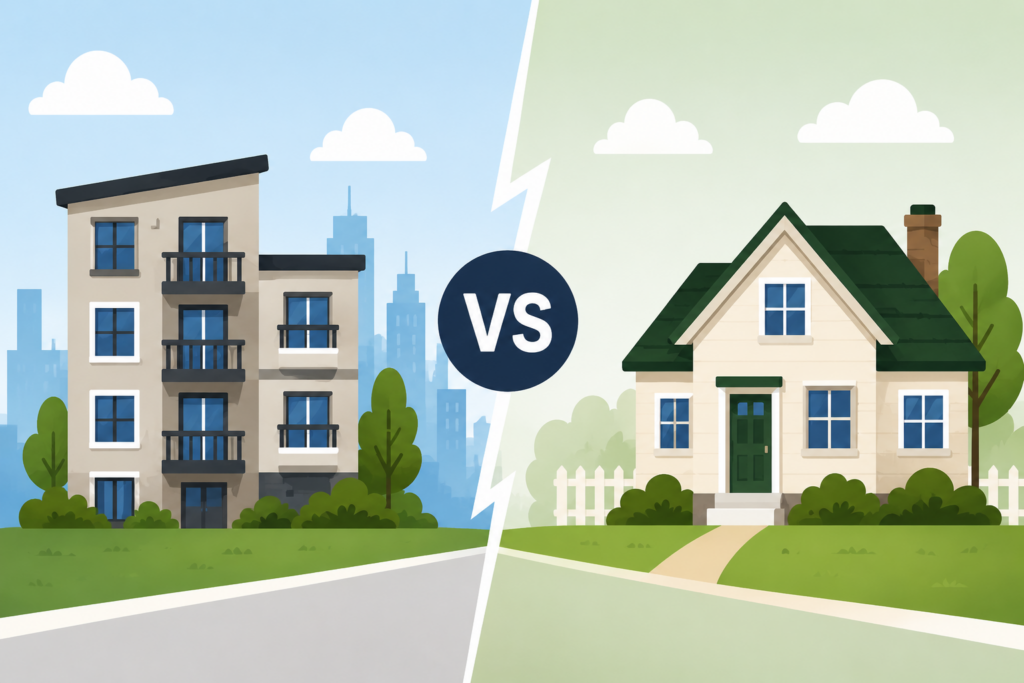
Renting vs. Buying A Home: The Pros and Cons
Pros of Renting
1. Lower Maintenance Responsibility
One of the biggest benefits of renting is that you are generally not responsible for major repair
costs or property maintenance. If the roof leaks, the heating system fails, or there are plumbing
or electrical issues, you can typically contact the landlord or property manager to handle the
repairs and expenses.
This can provide peace of mind, especially for tenants who do not want the stress or unexpected
financial burden of major home repairs.
2. Lower Upfront Costs
In many cases, the cost to move into a rental property is significantly less than purchasing a
home.
Rental requirements often include:
- First month’s rent
- Security deposit
- Sometimes last month’s rent
For example, if the monthly rent is $1,500, you may need:
- First month’s rent: $1,500
- Security deposit: $1,500
- Last month’s rent: $1,500
Total upfront cost: $4,500
By comparison, purchasing a home may require:
- A down payment (sometimes as low as 3.5% depending on the loan program)
- Closing costs
- Home inspection fees
- Appraisal costs
- Loan and lender fees
3. Faster Move-In Timeframe
If you are in a time crunch, renting is usually much quicker than buying a home. Once your
application is approved and deposits are paid, you may be able to move in within days — or even
the same day in some situations.
Purchasing a home, on the other hand, often takes several weeks due to financing, inspections,
appraisals, title work, and underwriting.
4. More Flexibility
Renting may be ideal for people who:
- Move frequently for work
- Are unsure where they want to live long-term
- Want flexibility without a long-term commitment
Many rentals offer:
- Month-to-month leases
- 6-month leases
- 12-month leases
This flexibility can be beneficial for temporary living situations or life transitions.
5. Less Exposure to Market Risk
Renters are generally less exposed to housing market fluctuations. Homeowners who experience
job loss or financial hardship may face foreclosure if they cannot keep up with mortgage
payments.
While renters can still face eviction if they cannot pay rent, some landlords may be willing to
work out payment arrangements or early lease termination agreements. A foreclosure can have a
longer-lasting impact on credit and future borrowing ability than a lease termination or eviction.
Cons of Renting
1. Limited Control Over Repairs and Maintenance
Although tenants are not responsible for most repair costs, they are dependent on the landlord or
property manager to complete repairs in a timely manner.
If there is a plumbing issue, heating problem, or appliance failure, tenants must wait for the
owner or management company to address it — and response times can vary greatly.
Homeowners, by comparison, can hire contractors of their choice immediately.
2. No Equity Growth
When renting, your monthly payment does not build ownership or equity in the property.
With homeownership, part of each mortgage payment may go toward reducing the loan balance,
which helps build equity over time. Rent payments benefit the property owner rather than
creating long-term ownership value for the tenant.
3. Lease Obligations
Although renting can provide flexibility, tenants are still legally obligated to follow the terms of
their lease agreement.
Breaking a lease early could result in:
- Financial penalties
- Loss of security deposit
- Legal action
- Negative rental history
4. Landlord or Management Changes
A landlord may decide to:
- Sell the property
- Change property management companies
- Increase rent after the lease term
- Choose not to renew the lease
These changes can impact the tenant’s living experience. A new owner or management company
may have different policies, communication styles, or maintenance standards.
5. Pet and Occupancy Restrictions
Many rental properties have restrictions regarding:
- Number of pets
- Breed or size restrictions
- Additional pet fees or deposits
- Occupancy limits
This can be frustrating for larger households or pet owners who want more freedom.
Pros of Buying
1. Greater Control Over Your Property
As a homeowner, you have the freedom to make repairs, upgrades, and renovations without
needing approval from a landlord.
You can:
- Paint walls
- Remodel kitchens or bathrooms
- Mount TVs
- Upgrade flooring
- Improve landscaping
- Customize the property to your liking
However, certain communities — such as HOA or historic districts — may still have rules and
regulations regarding exterior changes or property use.
2. Building Long-Term Wealth Through Ownership
Many people view homeownership as a long-term investment.
Historically, real estate values have appreciated over time, although markets can fluctuate in the
short term.
Homeownership allows you to:
- Build equity
- Benefit from appreciation
- Own a tangible asset
- Potentially sell for a profit in the future
In addition, your mortgage payment may remain more stable over time compared to rising rental
prices.
3. Flexibility to Sell or Rent the Property
Owning a home does not mean you must live there forever.
Homeowners may choose to:
- Sell the property
- Rent it out
- Relocate while keeping the property as an investment
Some homeowners later turn their primary residence into a rental property, allowing tenants to
help pay down the mortgage while the property potentially continues to appreciate in value.
4. Fewer Occupancy Restrictions
Unlike many rentals, homeowners generally have more freedom regarding who can live in the
property, provided they comply with local laws and zoning requirements.
5. More Freedom for Pet Owners
Homeownership often provides greater flexibility for pet owners without breed restrictions, pet
rent, or pet deposit requirements that are commonly found in rental properties.
Cons of Buying
1. Responsibility for Repairs and Maintenance
Homeowners are responsible for all maintenance and repair costs associated with the property.
Unexpected expenses may include:
- Roof replacement
- HVAC repairs
- Plumbing issues
- Electrical repairs
- Appliance replacement
- Landscaping and exterior maintenance
These costs can add up quickly and should be factored into your budget.
2. Higher Upfront Financial Requirements
Purchasing a home typically requires more money upfront than renting.
Depending on the financing program and purchase price, buyers may need:
- Down payment funds
- Closing costs
- Cash reserves
- Stable employment history
- Sufficient income and credit
Some buyers may need time to improve their credit, increase savings, or strengthen their
financial profile before qualifying for a mortgage.
3. Selling or Renting a Home Takes Time
Unlike ending a lease, selling a home is usually not a quick process.
Homeowners who want to move may need to:
- Prepare the property for sale
- Market the property
- Negotiate offers
- Complete inspections and closing requirements
Renting out a property also requires time, management, and tenant screening.
4. Competitive Housing Markets
Depending on market conditions, buying a home can be very competitive.
Buyers may find themselves competing with:
- Multiple offers
- Cash buyers
- Investors
- Escalation clauses
This can be discouraging, especially in highly desirable price ranges or neighborhoods. However,
persistence and preparation are important. If you are not actively searching, you may miss
opportunities that fit your goals.
5. HOA Restrictions
Many homes are part of a Homeowners Association (HOA).
HOAs may have rules regarding:
- Exterior modifications
- Parking
- Landscaping
- Pets
- Rental restrictions
- Property appearance
While HOAs can help maintain neighborhood standards, buyers should carefully review HOA
rules and fees before purchasing.
Both renting and buying have advantages and disadvantages. Renting may offer flexibility and
lower upfront costs, while buying can provide long-term stability, equity growth, and wealth-
building opportunities.
The best decision depends on your:
- Financial situation
- Long-term plans
- Lifestyle preferences
- Career stability
- Family goals
If you are unsure which option is best for you, speaking with a real estate professional and
mortgage lender can help you better understand your options and create a plan tailored to your
goals.
Leaning toward purchasing a home? Feel free to explore my Home Buyer Guide to learn more about the steps involved in the home buying process. You can also browse available homes through my home search tool to start exploring properties that fit your goals and budget. Whether you are still weighing your options or ready to take the next step, I hope this guide helped you better understand the pros and cons of renting vs buying a home.
Jim Thelusca
610-927-7466
JThelusca@PagodaRPM.com